Whether recreating a period drama, designing culturally authentic environments, or shaping emotionally driven feature films, the Los Angeles-based production designer is proving that versatility is one of her greatest creative strengths.
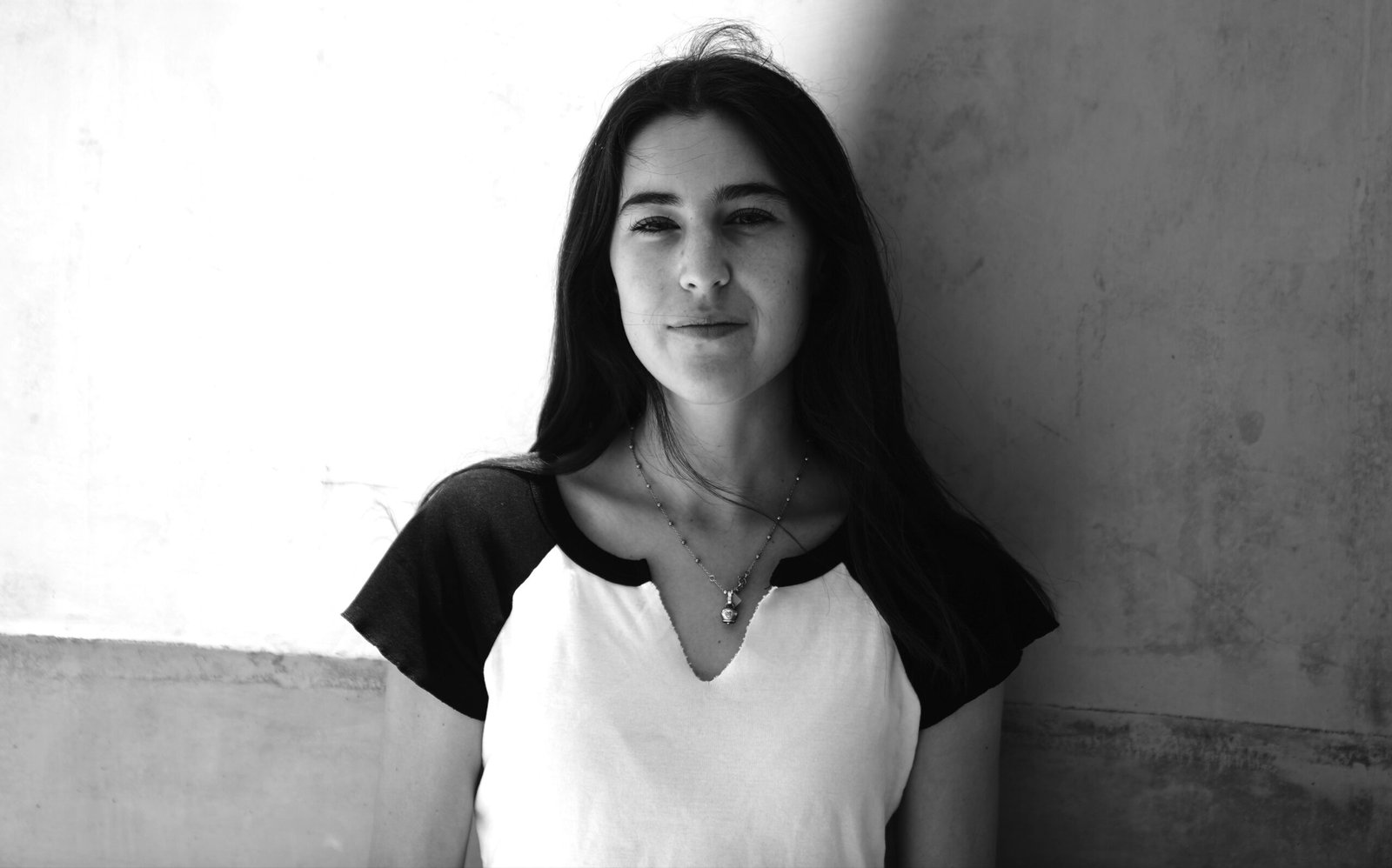
From a 1970s family home to a culturally authentic Kurdish household and the grief-stricken home of a military veteran, Francesca Porcelluzzi has quickly established herself as a production designer capable of bringing vastly different worlds to life with remarkable authenticity. Francesca Porcelluzzi is a production designer.
Originally from Italy, Porcelluzzi began studying film and media before relocating to the United States to pursue her filmmaking career. Today, she holds a Master’s degree in Television, Cinema, and New Media from IULM University in Milan alongside a Master’s degree in Film and Media Production from the New York Film Academy. Working across feature films, narrative shorts, and commercial productions, she has developed a reputation for creating environments that feel authentic, emotionally grounded, and inseparable from the stories they support.
Rather than approaching production design as decoration, Porcelluzzi sees it as another form of storytelling.
“Every location, every piece of furniture, every object has the ability to reveal something about a character,” she says. “When audiences believe the world around the characters, they connect with the story on a much deeper level.”
That storytelling philosophy has been tested across an increasingly diverse slate of productions, each demanding a completely different creative approach.
One of her most ambitious projects to date is Magnolia Daughter, a 1970s-set period drama exploring family, identity, and the relationships that shape who we become. While period productions often benefit from purpose-built sets and extensive budgets, Porcelluzzi was tasked with transforming a contemporary home into a believable environment from another era. For weeks, she immersed herself in photographs, magazines, and interior design references from the decade, studying everything from furniture styles and wallpaper patterns to household decorations and everyday objects.
“I wanted audiences to feel like they had genuinely stepped back into the 1970s,” she explains. “The challenge wasn’t simply making the house look older. It was making it feel lived in.”
Some of the most effective solutions came through creative problem-solving rather than expensive construction.
“One of my favorite ideas was using vintage-inspired wallpaper on pieces of furniture to completely change their appearance,”she says. “It reminded me that sometimes the smallest details can completely transform a space.”
If Magnolia Daughter showcased Porcelluzzi’s ability to recreate the past, 10:52 demonstrated an entirely different skill set.
The emotionally charged short film follows a young Iraqi man living in Kurdistan whose secret relationship is discovered by his father, leading to devastating consequences. Charged with transforming an American home into a culturally authentic Kurdish household, Porcelluzzi relied on extensive research rather than personal experience.
“I had never been to Kurdistan, so authenticity became incredibly important,” she says. “I spent a great deal of time researching homes, family traditions, decorations, fabrics, and everyday objects. The goal was always to create a space that felt respectful, believable, and true to the characters.”
Instead of relying on elaborate construction, the production focused on subtle visual details, family photographs, carefully selected props, textiles, and thoughtful set dressing, to communicate culture and identity.
“That project reinforced something I love about production design,” she reflects. “Small choices often have the biggest emotional impact.”
Her versatility continued with the feature drama She Reminds Me of You, where production design became an emotional extension of the film’s central characters. The story follows Eric, a military veteran consumed by grief following the loss of his wife and son, whose life slowly begins to change after meeting the optimistic Lynn. Rather than emphasizing historical authenticity or cultural research, the challenge became visualizing emotion itself. Porcelluzzi created two completely contrasting environments to reflect the emotional journeys unfolding throughout the story.
“Eric’s home needed to feel frozen in time,” she explains. “Everything reflected the weight of his grief and his inability to move forward. Lynn’s apartment was the complete opposite—it was warm, artistic, inviting, and full of life.”
The visual contrast quietly reinforces the film’s central message of healing without requiring a single line of dialogue. For Porcelluzzi, projects like these highlight one of the reasons she fell in love with production design in the first place.
“No two films ask the same thing of you,” she says. “One project might require historical research, another cultural research, and another asks you to visually express emotion. That’s what makes the work so exciting.”
While the settings may change dramatically from one production to the next, her creative process remains remarkably consistent. She begins every project by studying the script, understanding the emotional tone, and asking how each environment can support the characters inhabiting it. From there, she works closely alongside directors and cinematographers to establish a shared visual language through color palettes, textures, lighting, locations, and carefully curated props.
“I believe filmmaking is completely collaborative,” she says. “The strongest ideas come from communication and trust. My role is to support the director’s vision while contributing ideas that strengthen the story.”
That collaborative mindset has become one of the defining characteristics of her career. It was through a shared passion for storytelling that she connected with director Johnny Dee Ulysse on She Reminds Me of You. The partnership proved so successful that the pair have already reunited on another upcoming feature currently in pre-production, further demonstrating the confidence filmmakers have in her creative instincts.
Looking back on her journey so far, Porcelluzzi credits each project, regardless of scale, with helping shape her voice as a filmmaker.
“One of the biggest lessons I’ve learned is to stay adaptable,”she says. “Things rarely go exactly as planned on set, but sometimes the best creative solutions come from unexpected challenges. Every production teaches you something new.”
With projects ranging from intimate contemporary dramas and culturally sensitive stories to ambitious period pieces, Francesca Porcelluzzi has already demonstrated a versatility that many designers spend years developing. Whether transporting audiences to the 1970s, recreating a Kurdish family home, or visually expressing the emotional journey of grief and hope, her work is united by one consistent goal: creating worlds that feel honest, lived-in, and deeply human.
As her body of work continues to grow Francesca Porcelluzzi is establishing herself as a production designer whose greatest strength lies in her versatility. Whether recreating another era, honoring cultural authenticity, or visually expressing a character’s emotional journey, she approaches every project as a collaborative storyteller. It’s that combination of creativity, adaptability, and unwavering commitment to the director’s vision that continues to make her a valued creative partner within today’s independent filmmaking community.