Short-form storytelling has become one of the defining creative formats of the digital era. As audiences increasingly encounter stories measured in minutes rather than hours, filmmakers are being pushed to reconsider how much narrative, emotion, and atmosphere can be communicated with limited time and resources.
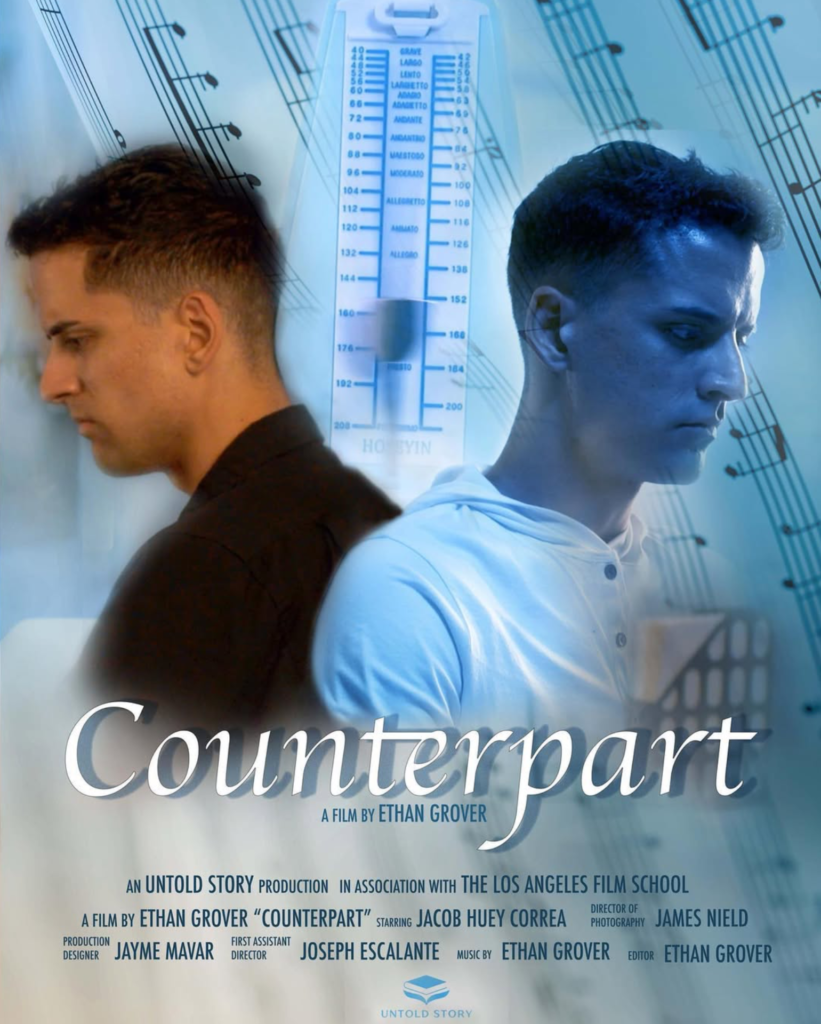
In this environment, innovation often comes not from scale, but from precision. Some creators have responded by simplifying structure, reducing exposition, and allowing visual and sonic elements to carry the story. One project that exemplifies this approach is Counterpart, a six-minute science-fiction short set almost entirely within a single interior space.
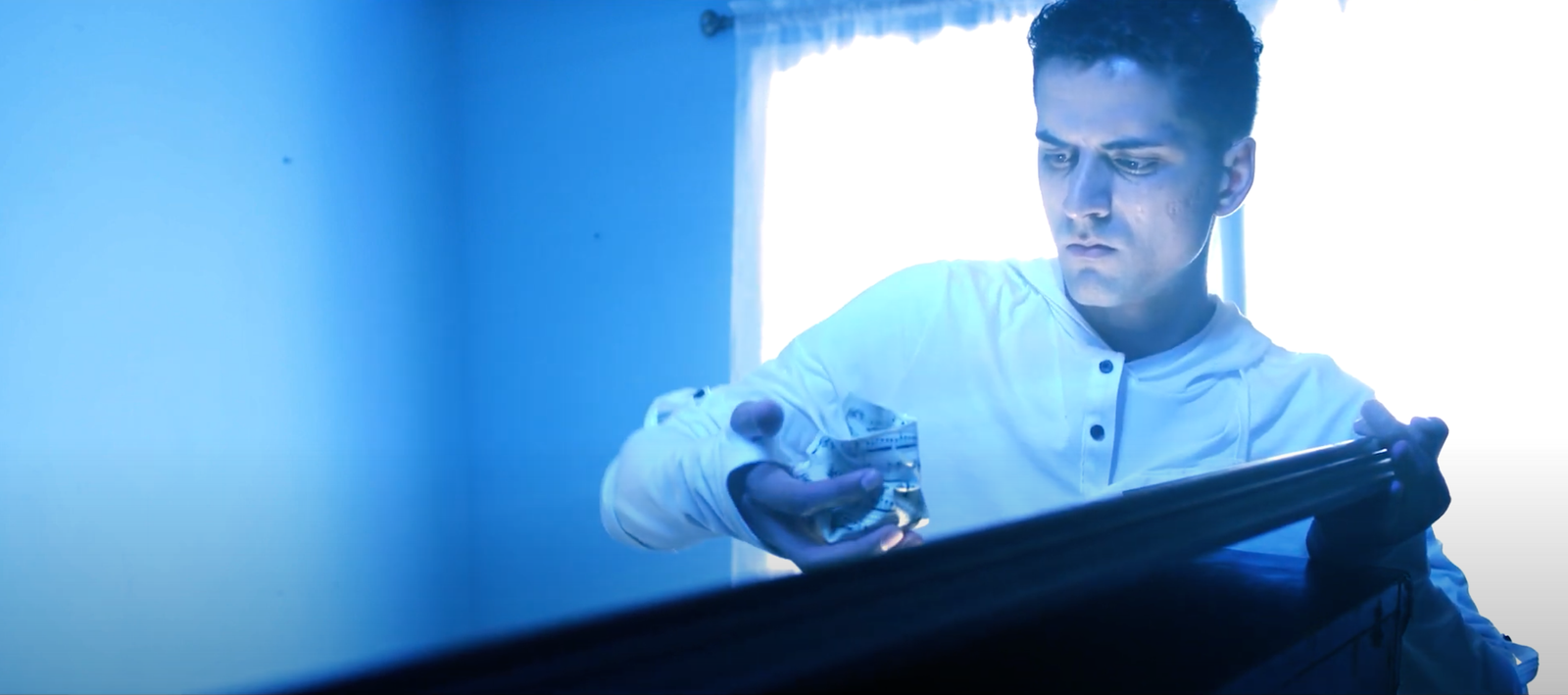
The film contains no dialogue, subtitles, or voiceover. Instead, it relies on a tightly integrated relationship between image and sound to convey narrative and psychological tension. Rather than limiting its reach, this absence of dialogue became one of the film’s greatest strengths. Without language barriers, Counterpart was able to connect with audiences across cultures and travel widely on the international festival circuit.
The short premiered across twelve countries, including India, Japan, South Korea, Greece, France, and the United States. Across its international festival run, screenings of Counterpart are estimated to have drawn more than 30,000 tickets across international festival screenings, reflecting strong audience interest and engagement. Viewers from different cultural backgrounds were able to engage with the story immediately, guided by rhythm, atmosphere, and visual cues rather than exposition.
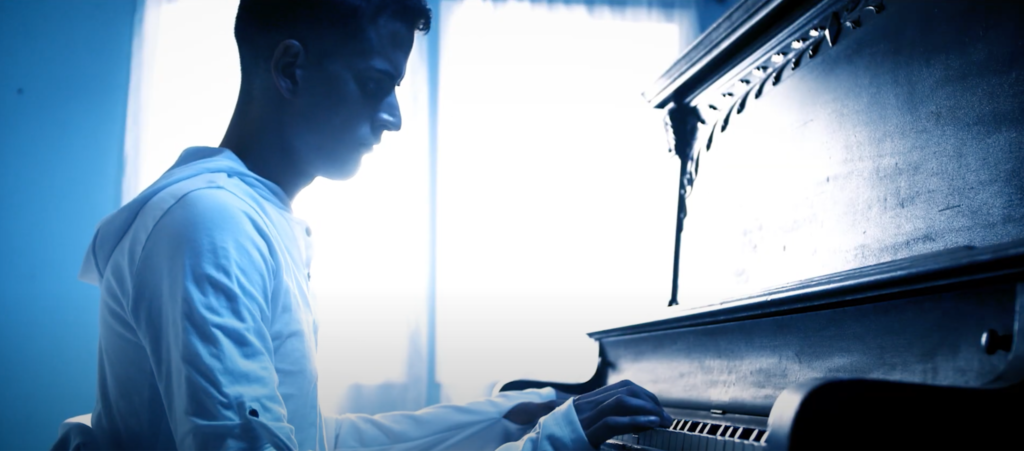
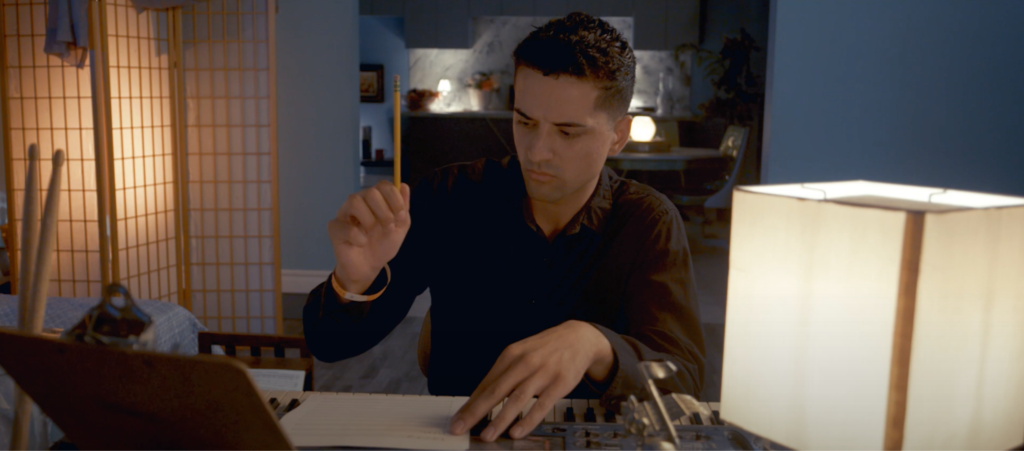
Set within a single room, Counterpart follows a lone composer navigating creative frustration and reflection. This internal conflict is communicated through repetition and contrast, allowing the audience to understand the character’s emotional state without explanation. The simplicity of the setting makes the storytelling especially legible, helping the film resonate regardless of language or location.
What makes this approach innovative is not the use of familiar elements such as a single location or minimal cast but how they function together as a unified storytelling system. Image and sound are not supporting tools here; they are the primary means through which the story progresses. Consistency in visual patterns and sound design establishes an internal logic that the audience quickly learns to read, allowing even subtle changes to carry meaning.
This clarity proved essential to the film’s international reception. In festival environments where audiences encounter unfamiliar work quickly and across cultural contexts, stories that communicate through shared sensory experience tend to travel further. Counterpart’s reliance on image and sound allowed it to function consistently across regions.
The film’s impact did not end with its festival run. As Counterpart continued to circulate internationally, the strength of its concept revealed the potential for expansion beyond the short format. What began as a six-minute film became the foundation for a longer-form series project. Interest from G-Unit Studios led to the development of a series pilot that broadened the narrative world introduced in the short, extending its themes and visual language into a larger story space.
Produced in association with the Los Angeles Film School, the project’s influence has also extended into educational settings. Counterpart is now referenced within coursework as an example of how disciplined storytelling and intentional design can help filmmakers working with limited resources achieve meaningful reach. Students are able to trace how early creative decisions committing to a single location, eliminating dialogue, and designing a cohesive sensory language shaped the film’s reception and longevity.
By treating limitation as structure rather than restriction, Counterpart offers a clear example of how engaging storytelling can emerge from focused choices rather than extensive resources. For storytellers and content creators working with modest budgets, short runtimes, or limited locations, the film stands as a source of inspiration. It demonstrates how doing more with less through image, sound, and rhythm can lead to meaningful audience connection, and how strong ideas, carefully executed, can travel far beyond their origins.